


pH balance is your skin’s secret weapon. This invisible barrier shields your face from harmful microbes. In simpler words, pH is your skin’s bodyguard. When this delicate balance is disrupted, chaos breaks loose. Your skin becomes sensitive, agitated, and angry.
Already suffering from cracked, dry, or distressed skin? Your pricey products are no longer functional. Skin breakouts are frequent. Your skin may feel unpleasant and tight—the truth is that your skincare regimen may be working against you. The protective layer of your skin is being removed by harsh skin products.
The cure? A more intelligent skin care routine. This guide offers dermatologist-approved tips to adjust your pH. The goal is to keep that vital 4.7 balance. Skin barrier repair begins today. Stop guessing and embrace science. Your glow awaits!
What is the chemistry behind pH?
A water-based solution’s baseness or acidity is ranked using a number scale called pH. Anything under 7 is acidic (like citrus juice), anything above 7 is alkaline (like soap), and a value of 7 is neutral (like water) on the scale of 0 to 14.
It all comes down to hydrogen ions: more ions make anything basic, whereas fewer ions make it acidic. A pH of 3 is 100 times more acidic than a pH of 5, and a pH of 5 is tenfold more acidic than a pH of 6 due to the logarithmic nature of the scale.
What is the pH-balance in skin care?
Sufficient moisture is present in the skin to determine the pH of its surface. The pH of the skin is typically about 5, though it fluctuates slightly based on the body part. pH balance is your skin’s secret code. It maintains harmony thanks to this balance, which keeps everything pleasant, safe, and seamless. This unseen power maintains the health and happiness of your face.
Your skin becomes extremely upset when the pH falls below 4.7. Irritation comes on suddenly. The layer that protects your skin breaks down like a house of cards. Naturally, each person’s skin is different and subject to change. As we age, we’ll notice an increase in dullness and wrinkles since our skin’s pH gets more basic. Moreover, compared to women, men’s skin is often more acidic. For this reason alone, it is very important to use skincare products that are pH-balanced.
What is the skin’s acid mantle?
The skin’s acid mantle is a protective coating that covers the outermost layer. The acid mantle is essential because it protects the skin’s surface and innermost layers from harm by interacting with natural components found in the skin, such as ceramides, cholesterol, enzymes, perspiration, and even our natural oil.
Our body’s initial line of defense against the external environment is this protective layer. It helps us all preserve the healthy glow we desire by keeping moisture in and dangerous microorganisms out.
Why does pH-balance matter?
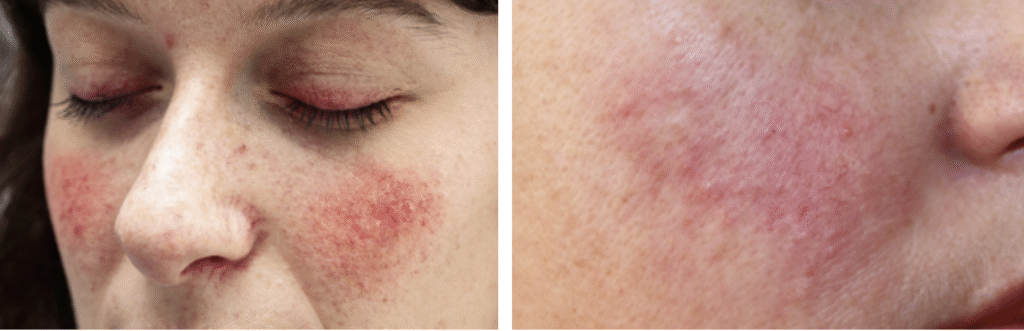
pH-balanced skincare indicates beauty products that imitate the natural pH of the skin, not too basic, nor too acidic. Any individual benefits from utilizing pH-balanced skincare, but those with sensitive skin or those who are more susceptible to inflammatory disorders like rosacea and eczema will benefit most, as these issues frequently signify a compromised acid mantle.
- More robust defenses – Prevent pollutants and bacteria
- Firmer skin – Acts as a moisture magnet to keep you hydrated.
- Diminished sensitivity – Lessens irritation, inflammation, and blemishes
- Glowing absorbent skin – Promotes natural radiance
How to identify dermatologist-approved ingredients for pH balance?
Maintaining the pH balance of your skin is crucial for a robust barrier, especially for sensitive or acne-prone skin types. When it comes to skin care, the standard of the ingredients is just as crucial as the product’s pH level. Steer clear of anything that includes harsh chemicals, aromatic oils, or scents. Instead, seek out products with mild chemicals and a soft pH that shield the skin’s acid mantle.
Check labels for:
1. “pH-balanced” (ideally, 4.5–5.5).
2. Dermatologist-approved ingredients:
- Niacinamide (fortifies the barrier)
- Hyaluronic acid (moisture-retaining agent)
- Ceramides (restore the acid mantle)
3. Steer clear of aggressive alcohols, high-pH cleaners, and SLS
Pro tip: Check the pH of products with pH test strips or consult a dermatologist!
How do I know if my skin’s pH is off balance?
Typically, the best skincare products are those that are more acidic. Applying a product and observing how your skin reacts afterward is the best approach to determine its pH without conducting your scientific experiment. Your acid mantle may be weakened if your face seems to be resisting.
- Rigid, squeaky-clean sensation after washing
- Unexpected redness or inflammation
- Unusual roughness or oiliness
- Frequent breakouts than normal
- Products that irritate unexpectedly
The hint: Using fewer pH-balanced products is preferable to stocking your shelf with unbalanced “self-care” routines!
Common pH destroyers hiding in our bathroom
Your restroom is a pH battleground. The main “red flags” to watch out for are:
- Foaming cleansers with SLS – Too alkaline
- Bar soaps (pH 9–10) – Strip acid mantle
- Hard water – Increases mineral accumulation
- Excessive exfoliation damages the barrier
- Alcohol-packed toners – upset the body’s natural balance
These seemingly harmless products are actively attacking your skin. Every day, they ruin your skincare regimen. The hack? Maintain the strength of your skin’s defenses, and replace these with alternatives that are pH-balanced (4.5–5.5).
What is the 3-step pH-perfect routine?
1. Cleanse: Use a mild cleanser with a pH of 4.5 to 5.5.
2. Treat: Use pH-friendly serums (niacinamide, vitamin C).
3. Seal: Use ceramides to lock in moisture, and always apply SPF at the end.
Follow all three steps if it’s morning. Evening? Do not use SPF. It only takes two minutes to keep your acid mantle safe from irritation.
pH-balance for different skin types
Personalized pH for Your Skin Type
• Oily or acne-prone: pH 4.0–4.5 is ideal since it aids in bacterial control.
• Normal/Combination: pH 4.5–5.5 is ideal since it preserves equilibrium.
• Dry/Sensitive: Maintain a pH between 5.0 and 5.5 (softer on barrier).
The Golden Rule states that all goods, particularly cleaners, should maintain a pH between 4.0 and 5.5. Your skin type determines your pH sweet spot!
What should be the ideal pH level of skincare products?
The pH of your skin should be reflected in the skincare products you use. For the majority of products, the golden range falls between 4.5 and 5.5, matching your skin’s natural acidity.
- Cleaner – 4.5-7
- Moisturizer – 4.5-7
- Exfoliants – 3-4
- Serums – 4-6.5
- Sunscreen – 5-7
- Toner – 5-7
Bareskin’s pH-perfect promise
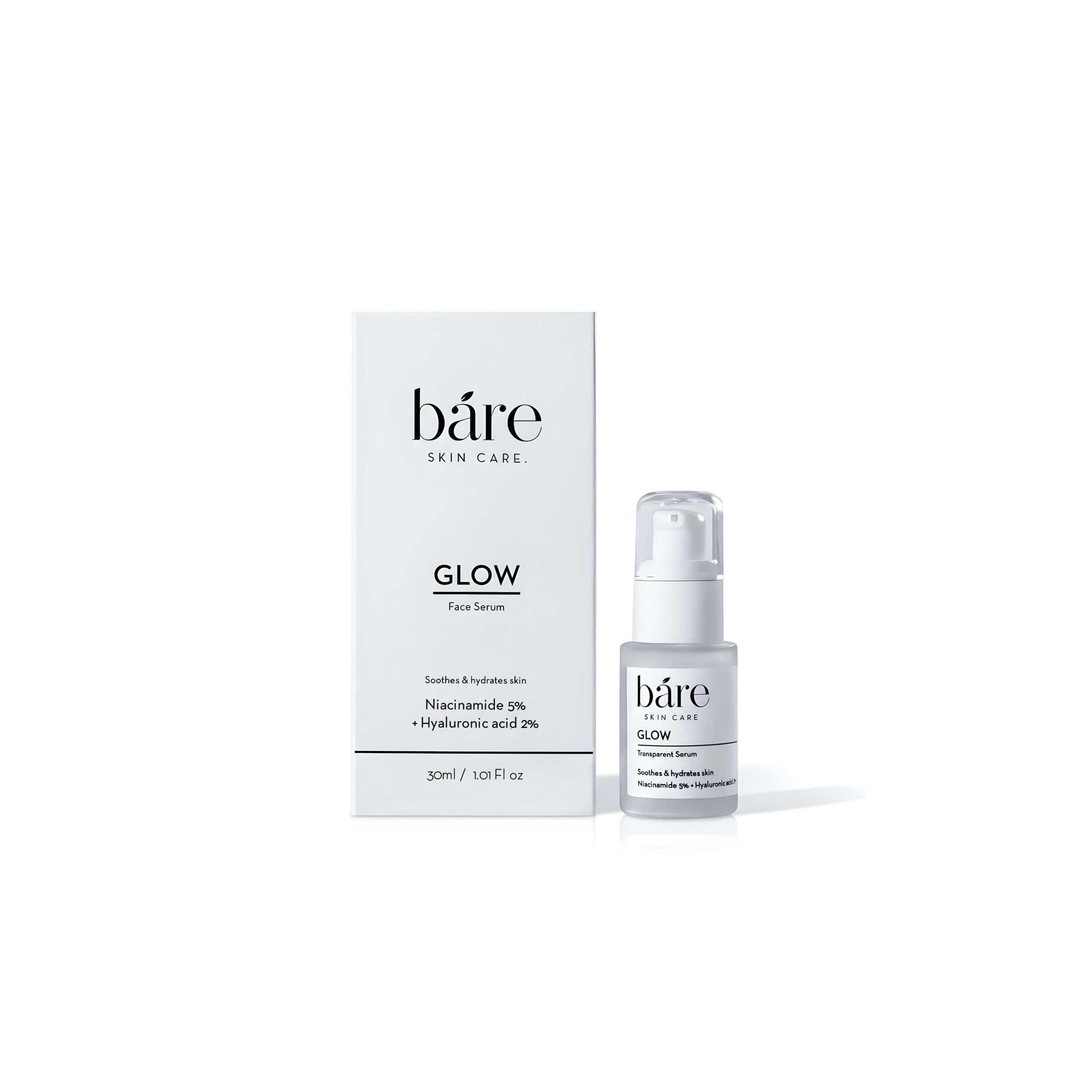
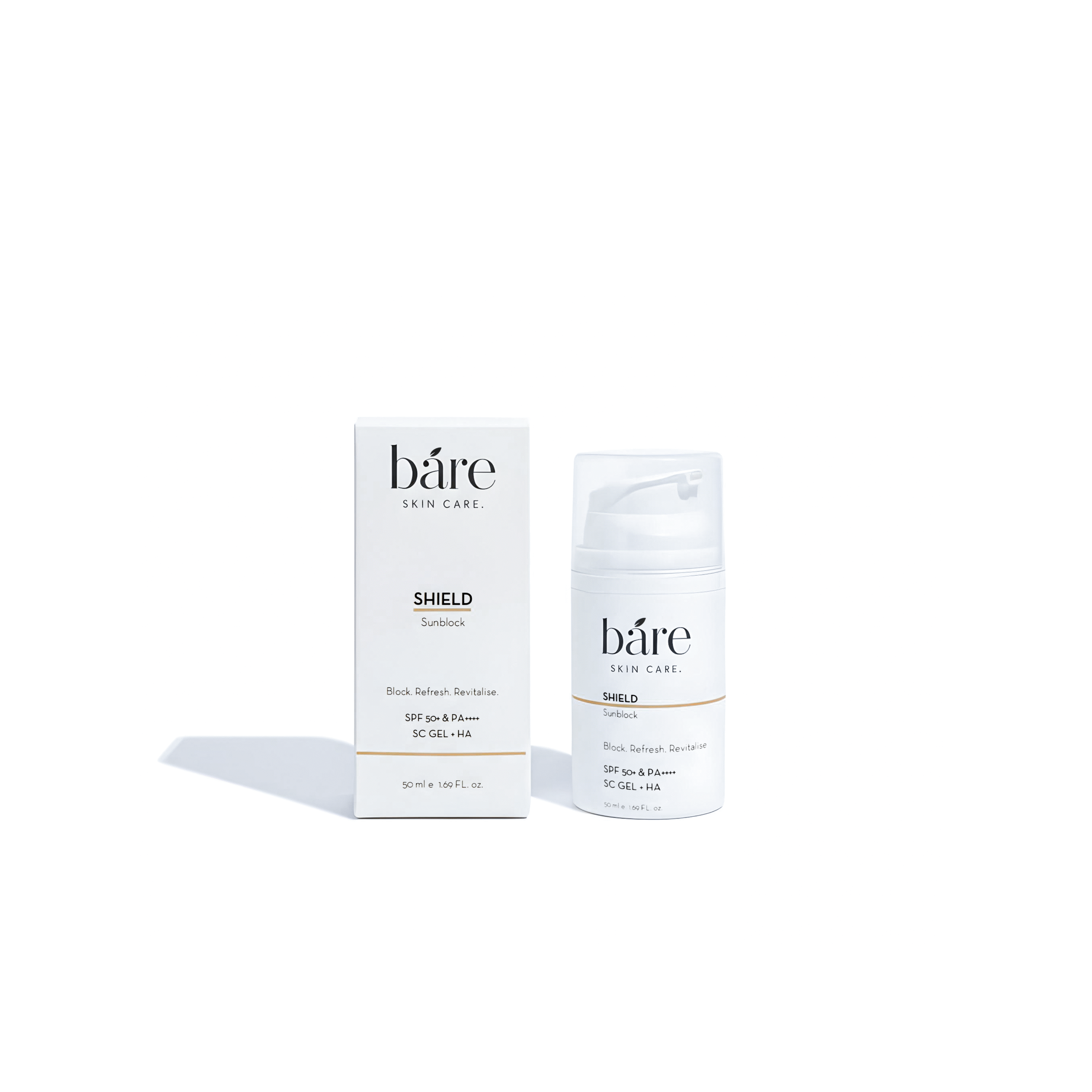
Every Bareskin product is carefully designed between pH 4.5-7 to operate in unison with the natural balance of your skin.
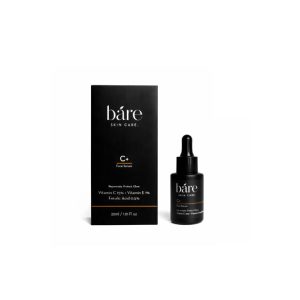
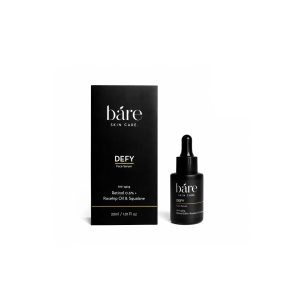
- Serums with a pH between 4.5 and 5.5 for maximum absorption ( Retinol + Niacinamide + Vitamin C+)
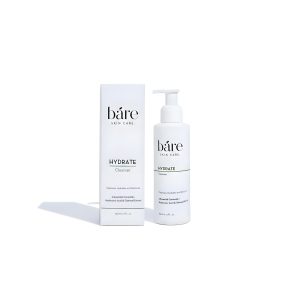
- Cleaners with a pH between 5.0 and 5.5 to preserve your acid mantle (essential ceramides + hyaluronic acid)
- Sunscreens with a pH of 6.0 to 7.0 for mild defense (SPF 50+ & PA ++++)
We support science-backed, gender-neutral, and skin-loving ingredients only!
Always remember the magic number- 4.7 is the ideal pH level accounting for a healthy, mildly acidic acid mantle. This secret number maintains the strength of your skin barrier. pH-balanced skincare products embrace this natural balance to help healthy bacteria thrive on your skin. Dismiss it, and your skin acts out.
pH-FAQs
1. “Can I measure my skin’s pH at home?”
Indeed! After cleansing your skin, use pH test strips. The typical range is 4.5–5.5. Higher? Your barrier might require some care.
2. “Do pH-balanced products expire more quickly?”
No! When properly prepared, they remain stable for more than a year. Keep in a cool, dark location.
3. “Can hard water upset my skin’s pH?”
Of course! An accumulation of minerals changes pH. If your water is hard, start with micellar water.