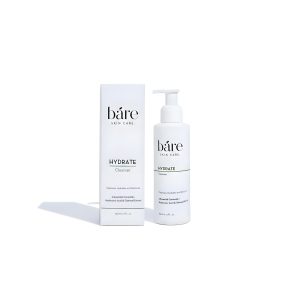
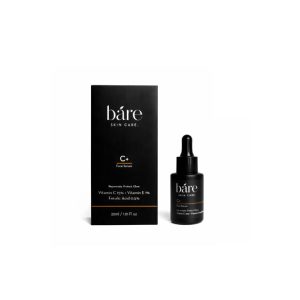
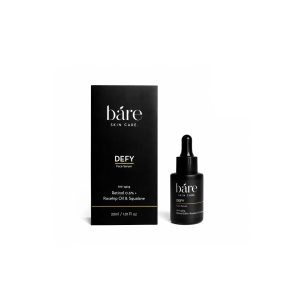



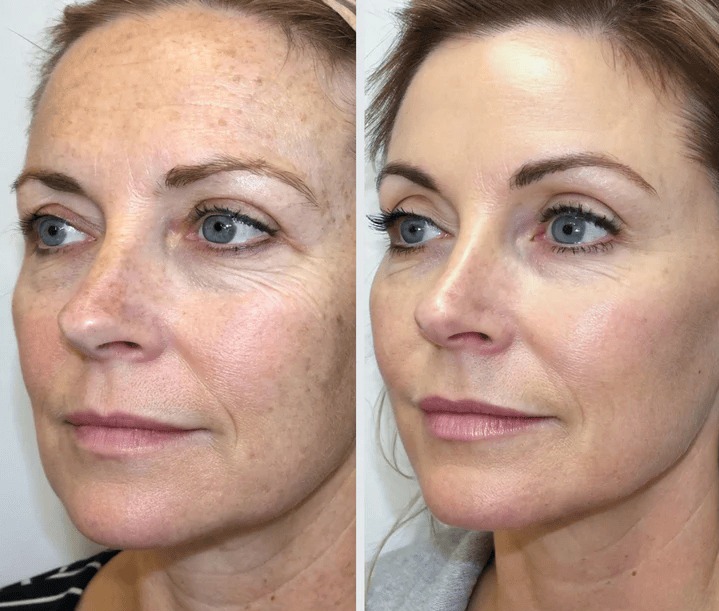
Retinol -the mighty derivative of vitamin A- is a tried-and-true anti-aging agent that increases collagen and combats wrinkles. It evens out skin tone and smoothes fine wrinkles. For good reason, consider retinol the skincare industry’s golden child or your skin’s coach. Cell turnover is accelerated by retinol. New cells are brought forward while old cells are pushed out.
Peeling, inflammation, and “why is my face on fire?” moments at midnight. Typical rookie errors. For beginners, it may feel like taming a beast. Start with mild formulations and low doses (0.1%–0.3%). This is a glow-up sprint, not a race.
This guide explains to beginners how to use retinol serums without experiencing any negative side effects. Discover frequency tricks, the sandwich approach, and why you need to take a break from your exfoliating regimen.
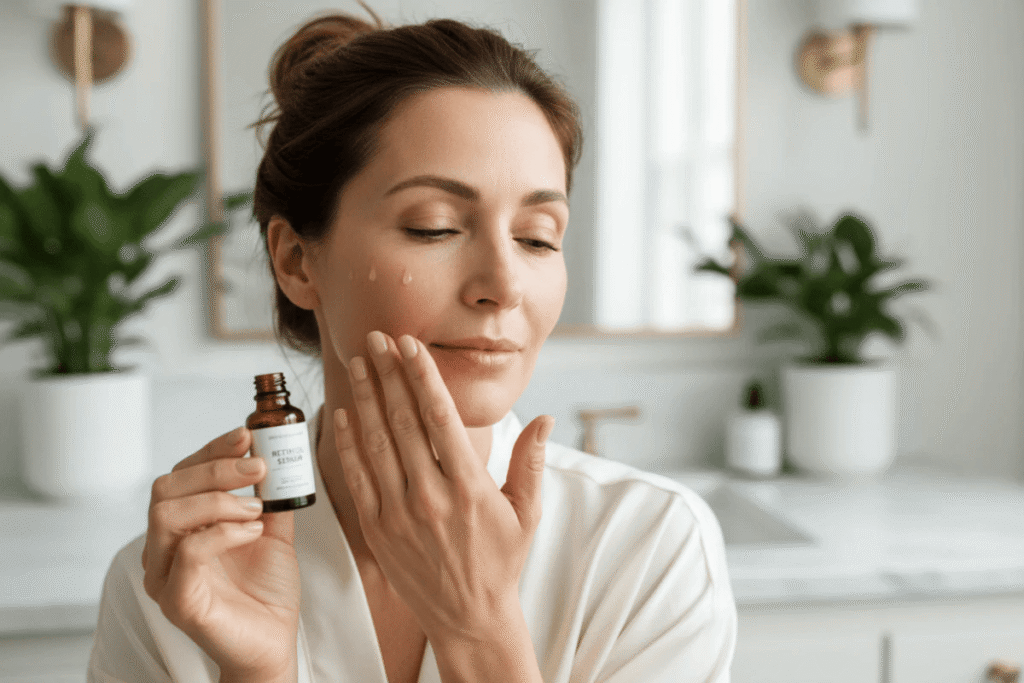
What is retinol and why everyone’s obsessed
Retinol is a powerful anti-aging skincare component that can help reveal a younger-looking skin with fine lines and less wrinkles. It is a kind of vitamin A that has numerous applications in skin care. Being a topical treatment, it can be applied on top of your skin. Retinol comes in different kinds, including gels, creams, lotions, serums, and occasionally cosmetic goods. You can contact your doctor to talk about how retinol could work best for your skincare regimen, or you can purchase it over the counter (without a prescription).
The science behind: How does retinol transform your skin?
Retinol works by speeding up the natural regeneration process of your skin. It takes 28 days for normal skin cells to fully renew. Regular use of retinol reduces this time frame by half. Over time, your skin produces more elastin and collagen. Additionally, it lessens breakouts, unclogs pores, removes acne scars and minimises dark spots and hyperpigmentation. All of this results in smoother, glowing and plumper skin.
Retinol vs Retinoids: Know the Difference Before You Buy
Vitamin A compounds called retinoid and retinol are both used to enhance the appearance and texture of skin. The key features are:
- Retinol: Over-the-counter, milder, and gradually transforms into retinoic acid (perfect for beginners).
- Retinoid: Prescription-strength (like tretinoin), it acts more quickly but harshly.
Important Distinctions:
Strength: Retinoids are stronger than retinol.
Findings: Retinol (months) against Retinoids (weeks).
Side effects: Retinoids cause more inflammation.
What are the different types of retinol products?
A wide range of topical retinol products are available in the market, including:
- Serums: Strong and quick to absorb (optimal for seasoned users)
- Creams: mild and hydrating (perfect for dry skin and beginners)
- Encapsulated retinol: Time-released for fewer allergic reactions.
- Retinol Esters (Granactive/Retinyl Palmitate): mildest choices.
- Prescription Retinoids: (Strongest) Adapalene/Tretinoin
How to repare your skin for retinol
Before using a retinol product for the first time, try a small amount on a small patch of skin (a patch test) to check whether you experience any adverse reactions. Although adverse reactions, such as redness or dryness, normally go away with time and continued use, a cautious, careful approach (lower dosage and lower frequency) might lessen the chance of unintended effects.
To get the most out of retinol, it’s crucial to always begin with clean, dry skin. Since retinol functions as a therapy, it works best when applied after the skin has been thoroughly cleansed and toned with a light face wash, but before any moisturiser.
Choosing your first retinol: Strength and formulation guide
Your initial dose of retinol should be mild and gradual. A maximum retinol content of 0.25 to 0.5% is what you should aim for. For beginners, cream formulas are more effective than serums. At the same time, they are more moisturising and less irritating. Avoid retinyl palmitate as it is too weak. Steer clear of tretinoin since it is very potent initially.
Ceramides and other buffering components are necessary for a beginner-friendly retinol lotion. If you have sensitive skin, use retinol esters (such as granactive retinoid) or encapsulated retinol. Use it just one or two nights a week at first, then more as your skin becomes used to it. Avoid the dreaded peeling drama with mild solutions.
Note: 3-4 drops are enough for a serum.
The ‘Sandwich Method’: How to apply retinol
The retinol-hack includes
Use retinol only at night-time
Your evening routine is the ideal time to use the sandwich approach. When exposed to sunlight, retinol degrades and becomes less effective. Retinol has eight uninterrupted hours to function at night. Sun damage and discomfort result from morning application.
Apply SPF first thing in the morning
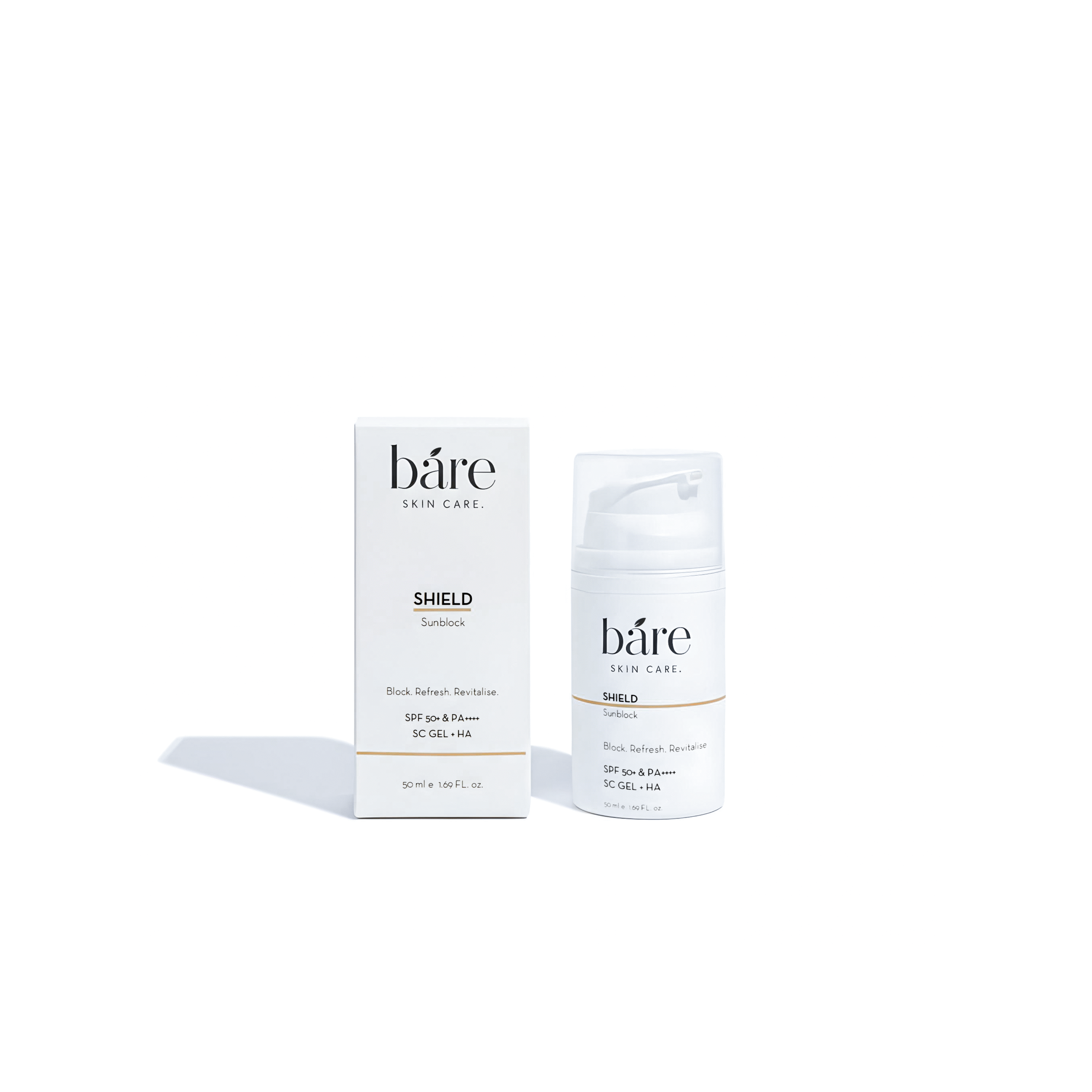
Retinol exposes your skin to damaging UV radiation. Every morning, SPF 30 or higher becomes necessary. Skin treated with retinol may be adversely affected by even indoor lights. Without regular sun protection, your anti-aging regimen is ineffective.
Use moisturizer and serums to add moisture
For protection, the sandwich approach needs layers of wetness. After using retinol, apply moisturizer once more. Serums containing hyaluronic acid offer additional moisture in between layers. This buffering method significantly reduces peeling and dryness. The sandwich-method application follows:
Layer 1: Moisturize damp skin.
Layer 2: Apply pea-sized retinol after 10 minutes of waiting.
Layer 3: Apply moisturizer once more.
Use caution when layering strong ingredients
Retinol should never be placed between acids or vitamin C. These mixtures immediately produce intense burning and discomfort. Instead, incorporate vitamin C into your morning regimen.
How often should you really use retinol?
Retinol is a very strong antioxidant. For beginners, start with once or twice weekly. It takes time for your skin to gradually develop tolerance. After four weeks, increase to every other night. Eventually, more experienced users can apply retinol every night. Always pay attention to your skin’s cues.
Beginners: Begin once or twice a week.
After two weeks: Increase to every three nights.
Tolerant skin types: Build to a maximum of 4-5 nights.
Note: Irritation signifies you are going too fast!
Retinol & Exfoliation: How often should you exfoliate while using retinol
Retinol has naturally occurringexfoliating properties. Excessive exfoliation quickly leads to over-exfoliation catastrophes. Don’t use chemical exfoliation more than once a week. AHA/BHA and other chemical exfoliants should be avoided at first. With retinol, your skin removes dead cells more quickly. Excessive exfoliation results in peeling, inflammation, and extreme irritation. Let retinol do its exfoliating job.
Ingredients that do not play nice with retinol
Ingredients like vitamin C, alpha hydroxy acids, beta hydroxy acids, and salicylic acid are no-go. Applying products containing these elements at different times of your day or on evenings when you are not using retinol can help prevent redness, irritation, and skin sensitivities in some people. Over-exfoliation nightmares are swiftly set on by AHA and BHA acids. Moreover, retinol is deactivated when used with benzoyl peroxid.
Note: Vitamin C in the morning hours and retinol at night are ideal.
The Retinol squad: Mixing retinol with other topical skin products
Retinol’s supportive team members are:
- Hyaluronic acid serums: greatly increase retinol tolerance.
- Ceramide moisturizers: efficiently restore your skin’s protective layer.
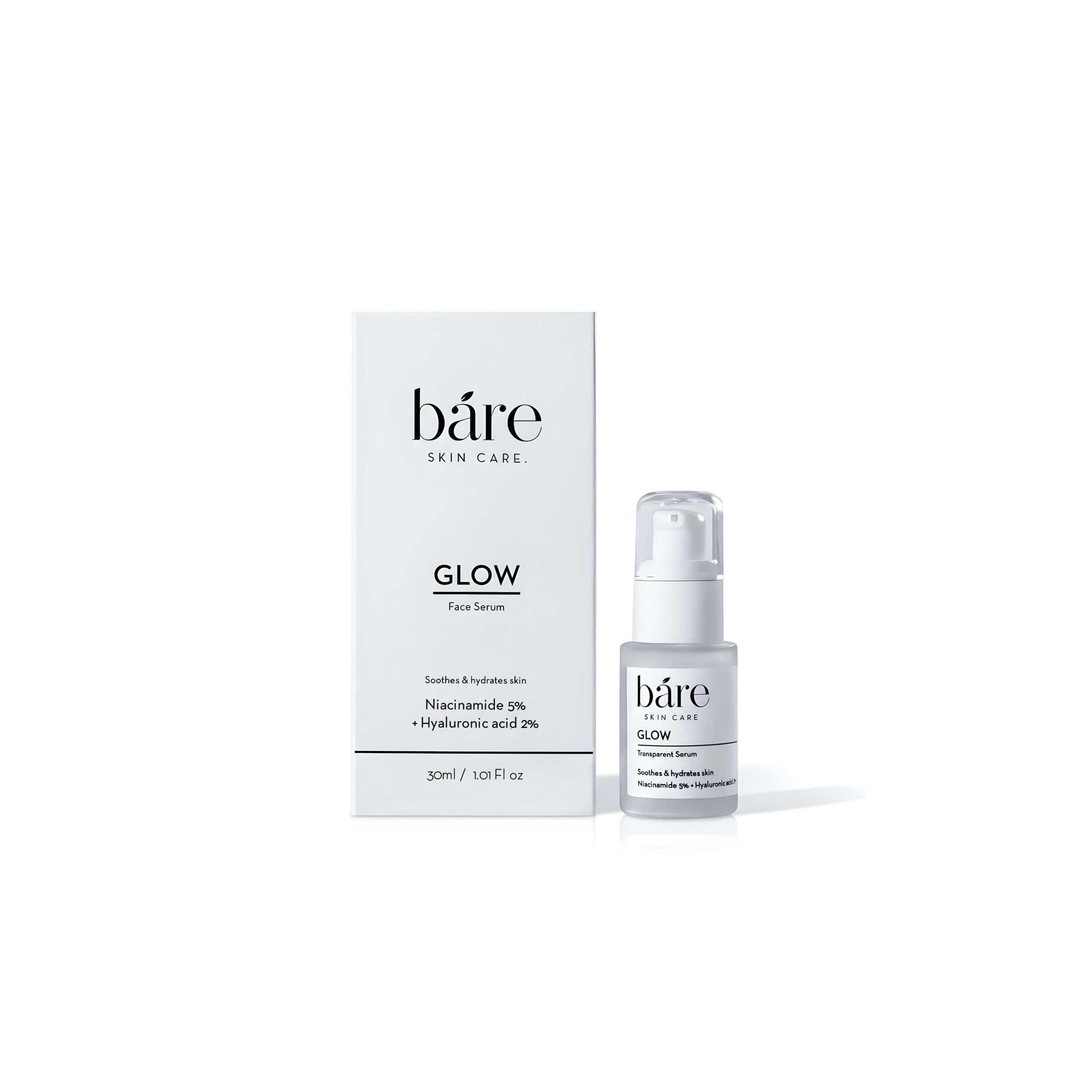
- Niacinamide: effectively lessens retinol inflammation and redness.
- Peptide creams: increase anti-aging advantages without causing problems.
- Squalane oil: offers mild defense and hydration.
When to press pause and maange retinol side-effects like a pro
If you experience burning or stinging, stop taking retinol right away. It is necessary to treat severe redness that lasts longer than 48 hours. When peeling interferes with day-to-day tasks, a pause is necessary. During the healing process, use mild moisturizers and moisturizing masks. Once fully healed, resume retinol at a reduced dosage.
It could be beneficial to:
- Use a single retinol product should at a time.
- Instead of using retinol daily, use it every other day.
- Before using your retinol product, wait half an hour after cleansing your skin.
- If you have sunburn, blisters, or other skin discomfort, stay away from retinol products.
- Minimize your contact with the sun by using SPF 30 and sun-protective apparel.
- As part of your skincare regimen, find out from your doctor when it’s advisable to apply moisturizer.
DEFY: Bareskin’s micro-dose retinol serum
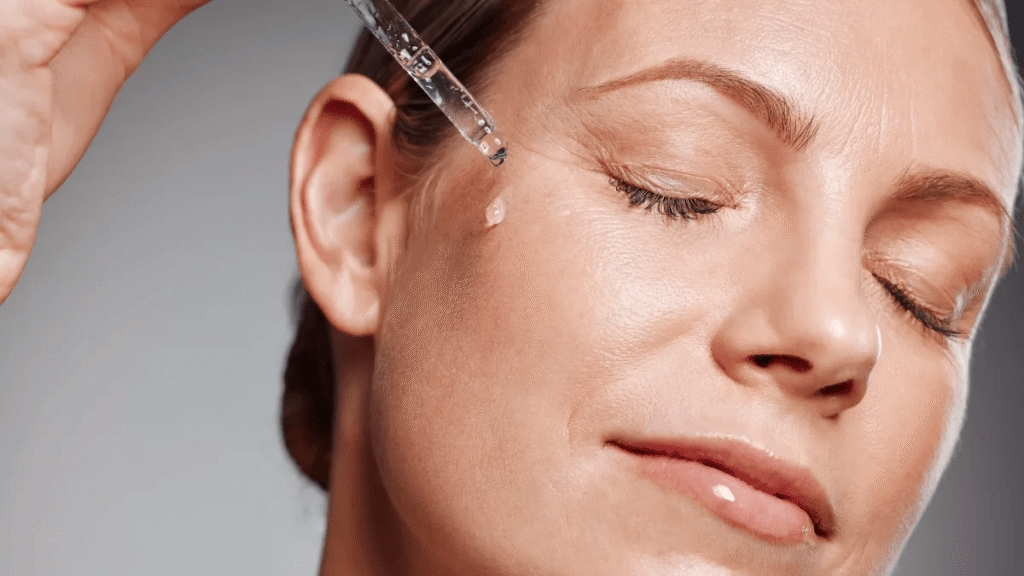
DEFY, our gender neutral anti-aging serum, contains 0.6% retinol for noticeable effects without causing discomfort. Rich in squalane and rosehip oil, it keeps skin nourished and soothes wrinkles. Ideal for both beginners and retinol experts.
Why DEFY?
30ml of age-defying potency – only two drops per use
Botanical boosters – soothing while active
Micro-dose strength – mild yet effective
Retinol-FAQs
1. Can I use retinol daily?
Not initially! Start with one or two nights each week and work your way up. Excessive use irritates the skin; gradual improvement yields better results.
2. Should I skip retinol if I have sensitive skin?
Not always. Try buffered formulas (such as DEFY's 0.6% with squalane) or low-dose (0.1-0.3%). Patch-test first, always!
3. Can I apply retinol with vitamin C?
Yes, but not simultaneously. Use retinol at night and vitamin C in the morning. Together, they are a deadly team.