


Skin can be both oily and dry at the same time; having oily skin does not mean your skin is hydrated. Many skincare enthusiasts today are confused about the difference between oily and dehydrated skin types. Both conditions may appear inconsistent and shiny. In oily skin, excess sebum is produced by active oil glands. In comparison, the layers of dehydrated skin are devoid of water. While one person deals with oil, the other person has trouble staying hydrated. This uncertainty results in poor skincare decisions. Understanding this crucial distinction is the first step towards providing appropriate skincare.
Does your face appear glossy but occasionally feel tightened up? Even after applying oil-control solutions, do breakouts still occur? Many ladies attribute all of their problems to having oily skin. The real culprit is dehydration. Natural moisture is frequently removed by harsh cleaners from the skin. As a result, your skin produces even more oil. This never-ending cycle makes you more frustrated day by day. However, this riddle can be solved by knowing the difference between oily and dehydrated skin. The proper skincare regimen can replenish hydration and balance oil.
This article explains the differences between dehydrated and oily skin. You will learn each condition’s symptoms. It also explains why both can appear together. The article will also draw attention to typical skincare errors that many individuals make. You’ll learn easy ways to determine your skin type. Additionally, the article offers ingredient recommendations that promote a healthy balance.
Identifying the Distinction Between Dehydrated and Oily Skin
Oily skin produces too much oil, whereas dehydrated skin lacks water. Understanding the differences helps avoid skincare turmoil and product waste.
What Is Oily Skin?
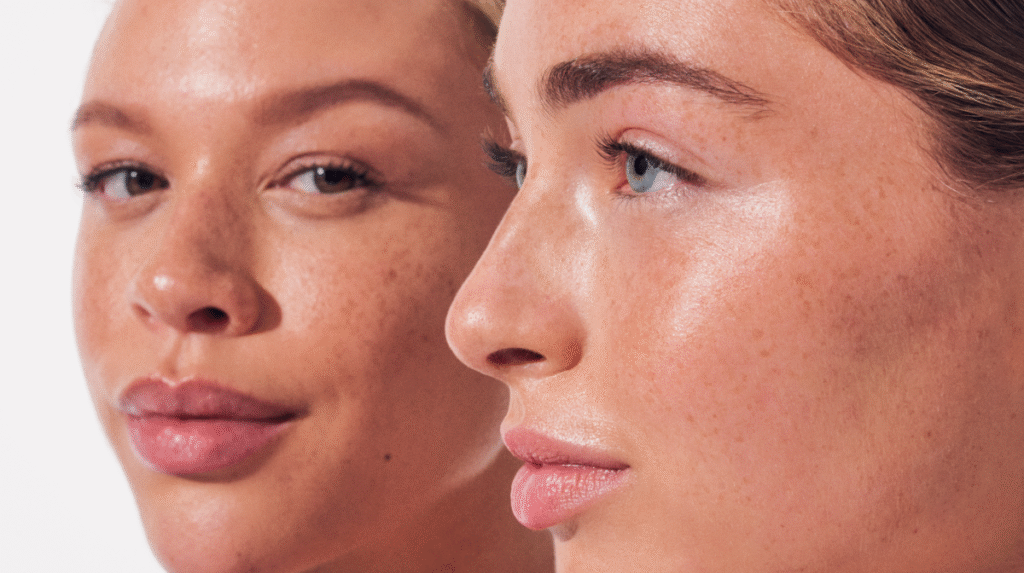
Oily skin produces more sebum than is required by your face. Sebum is the organic oil produced by skin glands. Your skin barrier is softened and protected by this oil. Excessive oil causes outbreaks, plugged pores, and a shiny look. Oil is frequently observed around the chin, nose, and forehead. During the day, makeup may come off. On oily skin type, large pores are frequently more noticeable. The advantage? Oily skin frequently ages more slowly. Balance is crucial. Keep oil under control without totally stripping your skin.
What Is Dehydrated Skin?
Skin that is dehydrated has insufficient water, not oil. It is possible for your skin to feel both greasy and dehydrated. When the skin surface becomes dehydrated, this condition develops. Rough appearance, dullness, and stiffness are common. Additionally, fine wrinkles could appear more pronounced. Additionally, skin may feel sensitive or itchy. Dehydration can be brought on by strong cleansers and weather variations. Ignoring moisturizer exacerbates the issue as well. Hydration and barrier maintenance are necessary for dehydrated skin.
Key Differences Between Oily and Dehydrated Skin
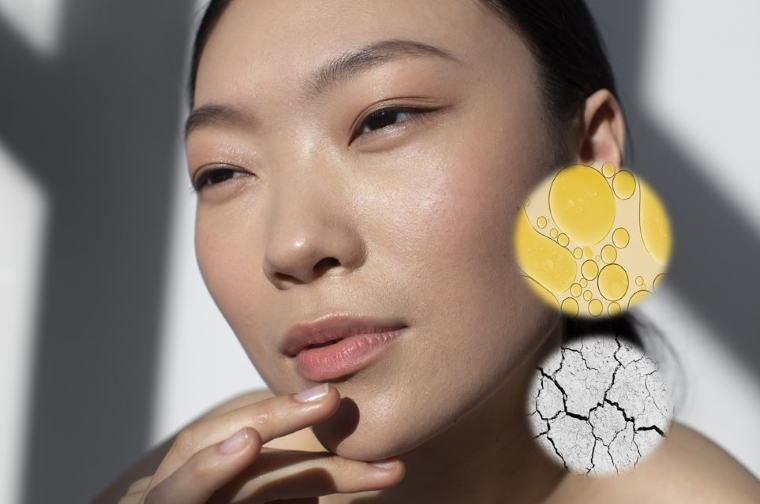
Dehydrated and oily skin may initially appear identical. During the day, both may seem glossy. The distinction lies between water and oil balance. Excess sebum is naturally produced by oily skin. Dehydrated ski layers are devoid of water. Oily skin frequently feels thick and oily. Dehydrated skin feels constricted and unpleasant. Both situations may result in breakouts. The skincare strategy varies depending on each case. Oily skin benefits from oil control. Dehydrated skin benefits from hydration and barrier repair.
Signs Your Skin Is Oily
Key indicators include a shiny T-zone, obvious big pores, and regular outbreaks. Blotting sheets become a regular necessity. Let us find out more.
Common Symptoms of Oily Skin
Oily skin likes to make its presence obvious. Within hours of washing, your face begins to glow. The T-zone frequently has an extra shiny look. On the nose and cheeks, large pores appear more noticeable. Additionally, whiteheads and blackheads are more common. During the day, makeup may split or slide. Blotting papers end up being your usual companion. Additionally, you may experience frequent outbreaks. The good news? Oily skin retains its natural moisture. You can manage your shine with the correct regimen.
Why Oily Skin Produces Excess Sebum
Excess sebum is produced by oily skin for various factors. The oil production is significantly influenced by hormones. Stress and puberty can quickly raise oil levels. Your oil glands’ level of activity is also determined by genetics. Sebum production is also increased by hot weather and humidity. The skin may become irritated by harsh cleaners. Skin produces more oil when it feels exposed. Skin balance is also influenced by lifestyle and diet. However, you can control shine by being aware of these triggers.
Signs Your Skin Is Dehydrated
Thirsty skin is characterized by tightness, dullness, flaky spots, and fine wrinkles. It may appear greasy, but it is just thirsty. Below is a more detailed explanation.
Common Symptoms of Dehydrated Skin
Dehydrated skin frequently gives off obvious warning signs. After cleansing, your face could feel constricted. Skin may appear lifeless and devoid of natural radiance. During the day, fine wrinkles are more noticeable. Makeup may stick to dry areas quite fast. Additionally, you may notice a flaky or gritty appearance. Even though certain places seem greasy, they are nonetheless unpleasant. Many individuals are frequently confused by that mix. Dehydrated skin longs for water and devoted treatment. Your skin regains its bounce, smoothness, and youthful radiance when it is properly hydrated.
Why Skin Loses Hydration
The skin becomes dehydrated when the barrier is unable to retain water. Natural protective oils are frequently stripped away by harsh cleaners. The skin barrier can be quickly weakened by hot showers. Additionally, dry weather causes the skin to lose moisture. Pollution and air conditioning exacerbate the issue. Skin is helpless throughout the day when moisturizer is neglected. Moreover, dehydration may result from the overuse of potent active substances. Skin balance may also be impacted by a low water intake. Protection and support are necessary for healthy skin.
Can You Have Oily and Dehydrated Skin Together
Even if your skin produces too much oil, it may still be dehydrated. As we will soon find out, this complex combination is fixed by balance and wise hydration.
Why This Skin Combination Happens
Although it may seem puzzling, oily yet dehydrated skin occurs frequently. Your skin produces oil, but it is devoid of water. This chaotic condition is often caused by harsh cleaners. They quickly remove moisture from the skin’s protective layer. In response, your skin produces more oil. Pollution and humid conditions can exacerbate the imbalance. Ignoring moisturizer exacerbates the issue as well. Strong acne treatments used excessively might dry out the skin. The outcome feels tight and glossy. To reduce this skin drama, strike a balance between oil control and hydration.
How to Identify Oily but Dehydrated Skin
Skin that is both oily and dry gives conflicting messages every day. Within hours, your face might appear glossy. It may also feel harsh or constricted at the same time. Makeup application may appear inconsistent in certain areas. Smiling can cause fine wrinkles to emerge. Skin feels thirsty, but pores are apparent. Dull patches may coexist with breakouts. Oil can be removed by blotting papers, but not without discomfort. Under an oily surface, these indicators show dehydration. Balance can be restored with gentle care and hydrating serums.
Common Skincare Mistakes That Worsen Both Conditions
Your skin is harmed by overwashing, not utilizing moisturizer, and using too many potent active ingredients. It only remains calm with gentle, balanced treatment.
Overwashing and Harsh Cleansers
It feels good to wash your face, but doing it too often might lead to problems. The skin’s natural protective oils are removed by overwashing. The skin barrier can be drastically harmed by harsh cleaners. In response, your skin produces even more oil. The outcome is uncomfortable, tight, and glossy. Even with continuous scrubbing, breakouts might still occur. For balance, mild cleaners are far more effective. Instead of washing your face every hour, wash it twice a day. Be mindful of your skin’s natural barrier.
Skipping Moisturizer on Oily Skin
Many people with oily skin skip moisturizer completely. They fear extra shine and clogged pores. Big mistake, girls. Your skin still needs hydration daily. Without moisturizer, skin feels dry underneath. The oil glands panic and produce even more sebum. That cycle leads to shine and breakouts. Lightweight gel moisturizers solve this issue easily. They hydrate skin without heavy residue. Balanced hydration keeps oil levels calmer. Moisturized skin behaves better and looks fresher all day.
Using Too Many Strong Active Ingredients
Strong skincare chemicals may initially seem enticing. Exfoliating acids, retinoids, and salicylic acid all promise quick results. When too many are used together, skin chaos ensues. The barrier weakens and becomes agitated. Sensitivity, peeling, and redness frequently appear soon after. To make up for it, your skin might create extra oil. During this overload, breakouts may even get worse. Add the active substances carefully and gradually. One or two active ingredients are more effective than six.
Best Ingredients for Oily Skin
Light hydrators, salicylic acid, and niacinamide efficiently reduce shine, clear clogged pores, and soothe outbreaks.
Niacinamide for Oil Control
The quiet leader of skincare ingredients is niacinamide. This vitamin aids in controlling the overproduction of oil. Additionally, it exquisitely fortifies the skin barrier. Stronger skin is less prone to irritation and acne. Niacinamide enhances overall texture and lessens redness. Regular use may make pores appear smaller. The chemical works effectively on combination and oily skin types. It works well in layers with the majority of skincare products. Use it in mild moisturizers or serums.
Salicylic Acid for Pore Cleansing
Salicylic acid is a pore-cleaning savior. It delves deeply into blocked, greasy pores. Dead skin and extra oil are dissolved by this substance. With consistent application, whiteheads and blackheads begin to disappear. It also aids in preventing the formation of new breakouts. It gently exfoliates interior pores, in contrast to abrasive scrubs. This substance is great for skin that is oily and prone to acne. To prevent irritation, start with a low strength. Use it every day with sunscreen and moisturizer.
Best Ingredients for Dehydrated Skin
Ceramides, glycerin, and hyaluronic acid refill water, fix the barrier, and bring back bounce and smoothness.
Hyaluronic Acid for Deep Hydration
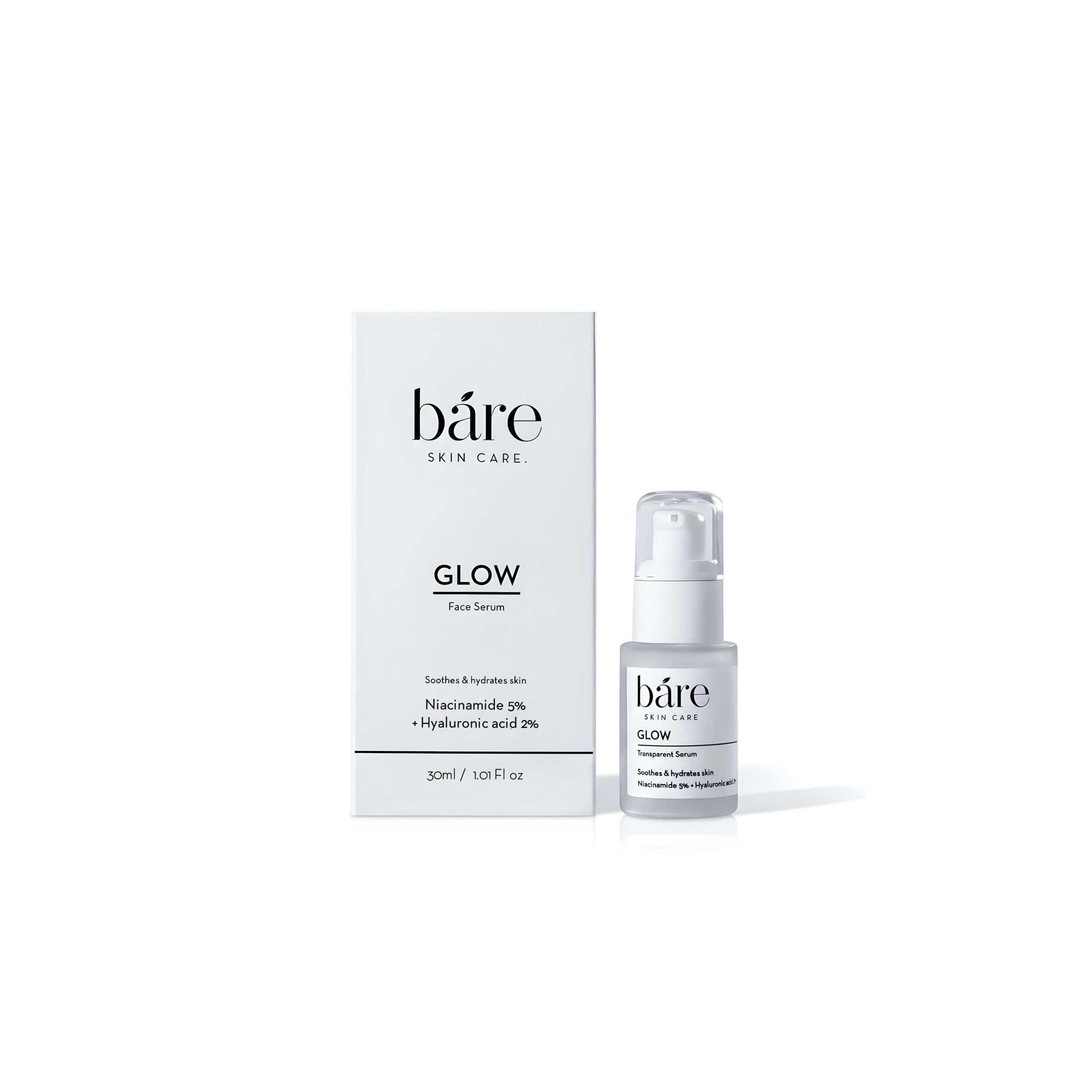
In contemporary skincare, hyaluronic acid is a hydrating powerhouse. Water is drawn into the layers of skin by this substance. It makes the skin appear smooth, plump, and youthful. Skin that is dehydrated adores this quick hydration boost. When properly hydrated, fine wrinkles frequently appear softer. Hyaluronic acid has a light, non-greasy sensation. This makes it ideal for combination and oily skin types. For optimal effects, apply it to slightly moist skin. Use a moisturizer afterward to seal in moisture.
Glycerin and Ceramides for Skin Barrier Support
Ceramides and glycerin provide excellent support for the skin barrier. Glycerin draws in moisture and provides skin with a comfortable level of hydration. The protective layer of the skin is rebuilt by ceramides. Over time, they work together to produce stronger, healthier skin. This combination makes it difficult for moisture to escape. Additionally, it shields skin from inflammation and pollution. These substances are very beneficial for dehydrated skin. Use creams and moisturizers containing the two. Regular use enhances softness and resilience.
Building the Right Skincare Routine
Gently wash, moisturize, use active ingredients sparingly, and use sunscreen for protection. Maintaining consistency makes skin happy and radiant.
Cleansing Without Stripping the Skin
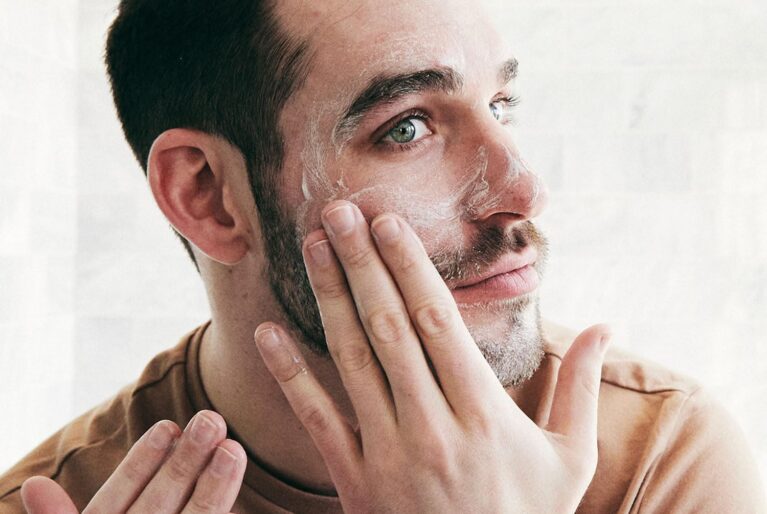
While cleaning is necessary, doing too much of it leads to disaster. Your skin barrier is weakened, and natural oils are stripped away by harsh washes. This leads to breakouts and excessive oil production. Instead, use a mild, pH-balanced cleaner. Wash twice a day, in the morning and at night, to get rid of pollutants, perspiration, and grime. Hot water further dries skin; lukewarm water works best. Use a fresh towel to pat dry. Smart cleansing maintains calm, clean, and prepped skin for subsequent skincare procedures.
Choosing the Right Moisturizer
Even for oily skin, moisturizer is essential. Selecting the appropriate formula is the trick. The best moisturizers are gel-based, light, and non-comedogenic. They moisturize without producing oily residue. Choose components like hyaluronic acid, glycerin, or ceramides for skin that is dehydrated. After cleaning and treatment, apply. Hydration and oil are balanced with the right moisturizer. Regular application enhances the texture of the skin and stops oil glands from overcompensating.
Balancing Oil and Hydration
For healthy skin, oil and hydration must be balanced. Underneath, oily skin may still feel thirsty. Oil output is worsened by dehydration or overstripping. Mix moisturizers or moisturizing serums with mild cleansers. Without drying out the skin, niacinamide aids in controlling excess oil. Water is delivered where it’s needed by glycerin or hyaluronic acid. The aim is smooth, fresh, pleasant skin. With balanced oil and hydration, breakouts lessen, pores appear smaller, and your shine remains constant.